Newsletter Subscribe
Enter your email address below and subscribe to our newsletter
Enter your email address below and subscribe to our newsletter

 ByJohn A
Parts that combine cylindrical and non-cylindrical features present a genuine manufacturing planning challenge, and understanding why combined milling and turning capability under one roof matters helps buyers evaluate potential manufacturing partners more effectively.
A single part requiring both turned and milled features historically meant coordinating between separate turning and milling operations, sometimes even separate shops, introducing scheduling complexity and potential quality risk at each handoff point.
A shop offering genuine combined milling and turning capability manages your entire part through one coordinated process, rather than requiring you to manage handoffs between separate operations or vendors yourself.
See also: Warranty Basics: What a Los Angeles Roofer Should Guarantee in Writing
When both processes happen under one quality system, inspection standards and documentation remain consistent throughout, rather than potentially varying between different vendors handling different operations.
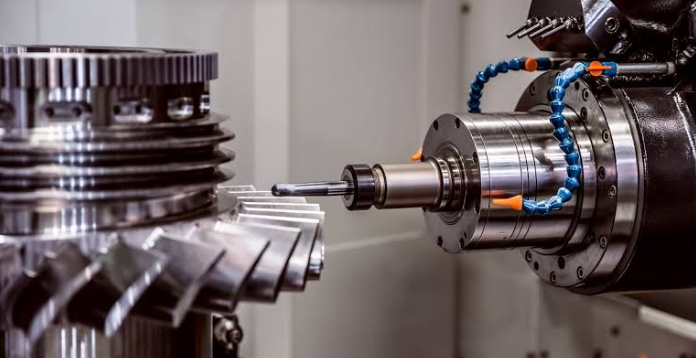
Beyond simply offering both services separately, shops with genuine mill-turn equipment capability can machine combined-feature parts in a single setup, improving both accuracy and production efficiency compared to sequential separate operations.
Asking specifically whether a shop uses dedicated mill-turn equipment or simply coordinates between separate milling and turning departments helps clarify the genuine level of process integration being offered.
For a closer look at available combined milling and turning capabilities, precision cnc milling and turning offers additional detail worth reviewing.
Is combined milling and turning capability always more efficient than separate operations? Generally yes for parts genuinely requiring both feature types, particularly when true mill-turn equipment eliminates the need for separate setups and handoffs.
How can buyers verify a shop’s genuine combined process capability? Asking specifically about equipment type, whether dedicated mill-turn machines or coordination between separate departments, clarifies the actual level of process integration.
Does combined capability always mean lower project management burden for the buyer? Yes, typically; coordinating a single manufacturing partner for combined-feature parts significantly reduces the project management complexity compared to managing separate vendors.
Genuine combined milling and turning capability offers real precision and project management advantages for parts requiring both feature types. Understanding what true process integration looks like helps buyers evaluate manufacturing partners more effectively for these complex parts.