Newsletter Subscribe
Enter your email address below and subscribe to our newsletter
Enter your email address below and subscribe to our newsletter

 ByJohn A
Understanding JIS 2371 requirements on paper is one thing; actually executing compliant testing day to day is another. This guide offers a practical walkthrough of what running a JIS 2371 test actually looks like in a working lab.
Before testing begins, specimens must be properly cleaned, prepared, and mounted according to the standard’s specific orientation requirements, ensuring consistent, comparable exposure conditions across all test samples.
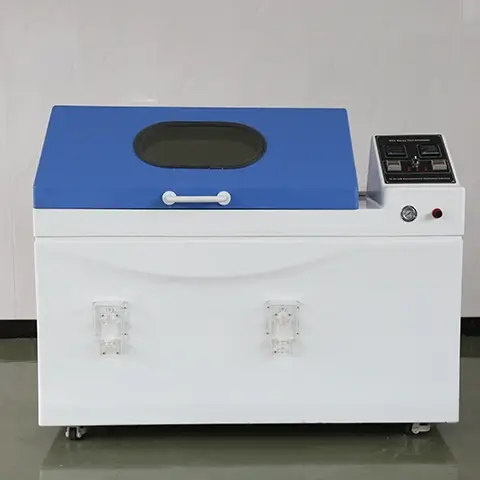
Confirming saline solution concentration, chamber temperature, and fog collection rate all fall within specified parameters before beginning the official test period helps ensure the entire test cycle remains valid from the start.
See Also: Warranty Basics: What a Los Angeles Roofer Should Guarantee in Writing
Brief daily observation helps catch any equipment irregularities early, before they compromise results across an extended, multi-day or multi-week test cycle.
Regularly verifying saline concentration and chamber conditions throughout longer tests confirms the chamber continues operating within JIS-specified parameters.
Following the specified exposure duration, specimens should be carefully removed, rinsed if required by protocol, and evaluated according to the standard’s specific corrosion assessment criteria.
For a closer look at chamber equipment designed to support consistent JIS 2371 test execution, LIB Industry jis 2371 offers additional reference detail.
Thorough documentation of test conditions, monitoring checks, and final specimen evaluation supports both internal quality records and external compliance verification if results are ever questioned.
Labs new to JIS 2371 testing sometimes encounter challenges with maintaining precise temperature control or accurately assessing corrosion severity consistently across multiple specimens, both of which improve significantly with practiced technique and clear internal protocols.
How often should chamber conditions be verified during a JIS 2371 test? Regular checks throughout the test duration, following both standard guidance and internal quality protocols, help maintain consistent, valid testing conditions.
What’s the most common challenge labs face when starting JIS 2371 testing? Maintaining precise, consistent temperature control over extended test periods is often cited as an early challenge that improves with experience and proper chamber calibration.
Is specimen preparation as important as the testing itself? Yes, inconsistent specimen preparation can introduce variability that undermines the validity of results regardless of how precisely the testing itself is conducted.
Running JIS 2371 testing effectively comes down to careful preparation, consistent monitoring, and thorough documentation throughout the process. Labs that build strong practical habits around these steps produce more reliable, credible results over time.